
CRM and follow-up for tile contractors.
Tile work is decided by what is behind and beneath the surface. Whether the customer has material already, and what has to be removed or repaired first, matters more to the quote than the pattern they picked out.
What a useful tile inquiry has to capture.
Enough to know whether a number is possible now, and whether the job is one your team wants.
Application and area
Floor, shower, wall, backsplash, or exterior, and how much of it. The application changes the prep and the labor before anything else does.
Existing surface and substrate context
What is there now, what is being removed, and anything known about the substrate or moisture. This is where tile quotes get won or destroyed.
Material status and preferences
Whether they are supplying material, still choosing, or expecting you to supply it, only as your company actually works.
Photos
Photos of the space and the existing surface, attached to the record. For showers and repairs they are close to essential.
Location and timeline
Where the job is against the area you serve, and when they want it. Both drive how the follow up is paced.
Inquiry to scheduled work.
Most tile jobs need a look before a number. The pipeline is short on purpose, with the site look owned rather than promised loosely.
New inquiry
One record with a source and an owner, from whichever intake point it arrived through.
Contacted
The first reply is logged, including what is still needed before the job can be priced.
Site look
Booked into the calendar of whoever assesses the space, with photos and the application already on the record.
Quoted
Scope and number on the record, including who is supplying material, so nothing is assumed later.
Follow up
The approved reminders while they decide, and a recorded reason when the answer is no.
Scheduled
The job reaches the calendar with a date and an owner, and closes against its original source.
What gets installed.
One installation, kept deliberately simple for a small crew that cannot afford a system nobody has time to maintain.
The intake points agreed in scope
Website and landing page forms, the phone numbers you want tracked, and the message sources included in scope are connected so a new inquiry creates a record instead of living in whichever app it arrived in. Sources outside that scope are not claimed to be connected.
A pipeline that matches how you sell
Stages named after the real steps your business takes, so a glance tells you what is waiting on you and what is waiting on the customer. Stage names are set from your process, not from a template.
Assignment and routing
Every new record gets an owner. Routing rules are configured from the way your team already splits work, so nothing sits unclaimed while everyone assumes someone else picked it up.
The follow up agreed in scope
A first response, reminders on the records that go quiet, and the internal notifications your team needs. Automations are written to the sequence you approve. Anything requiring judgment stays with a person.
The system carries the path. Your team still runs the business.
What the installed system does
It catches every inquiry from the sources in scope, puts it in one place with an owner, starts the agreed first response, reminds someone when a record goes quiet, moves the work through named stages, and reports which sources turned into real jobs.
What your team still does
Your team handles the conversations and decisions that need judgment, confirms quotes and appointments, and keeps each record current. The system gives everyone the same context and makes the next handoff clear.
Honest context instead of a case study.
There is no Cross X Agency tile engagement to name, so none is claimed. The named work below is verified home service systems work, shown as the pattern this installation follows.
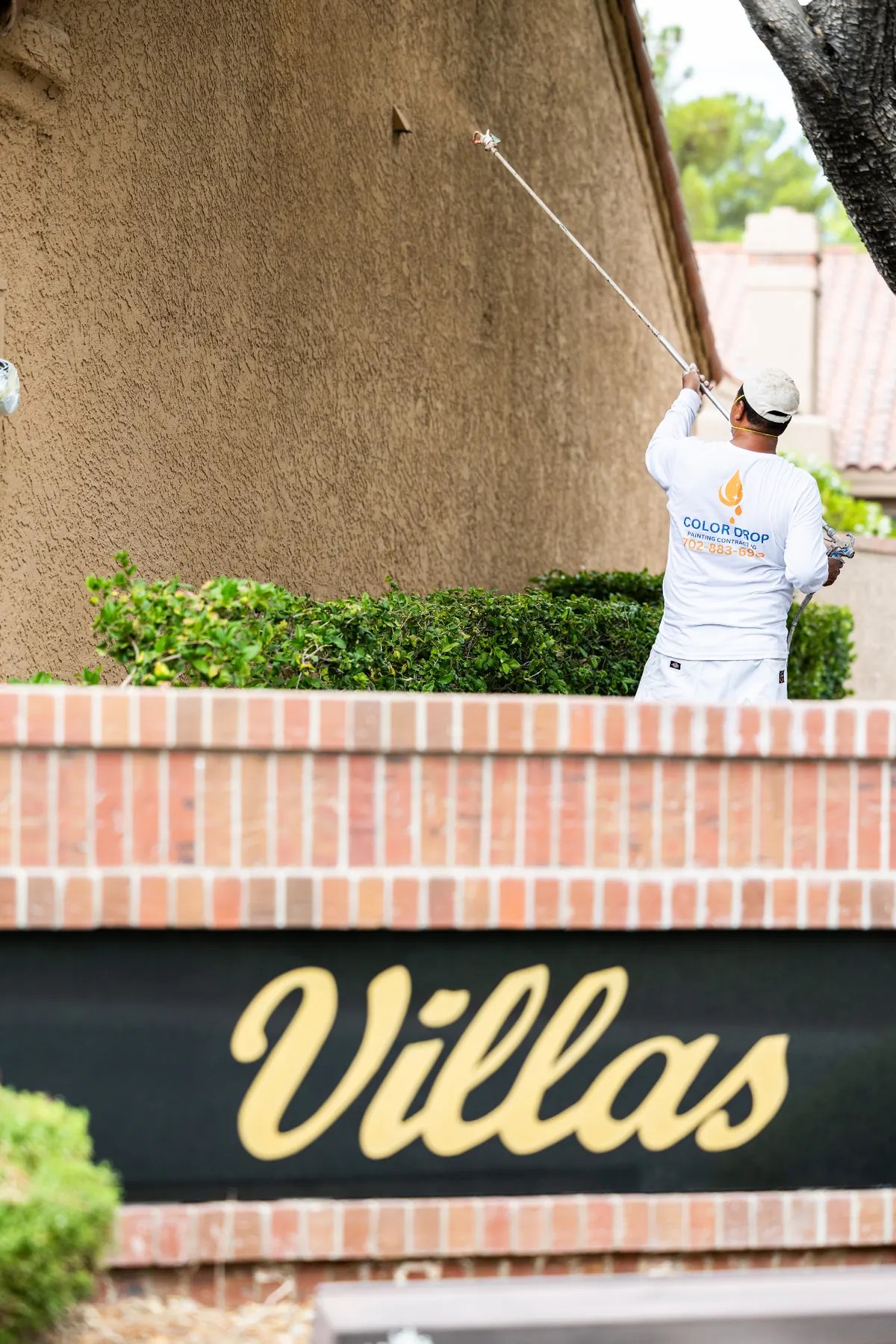
Color Drop Painting
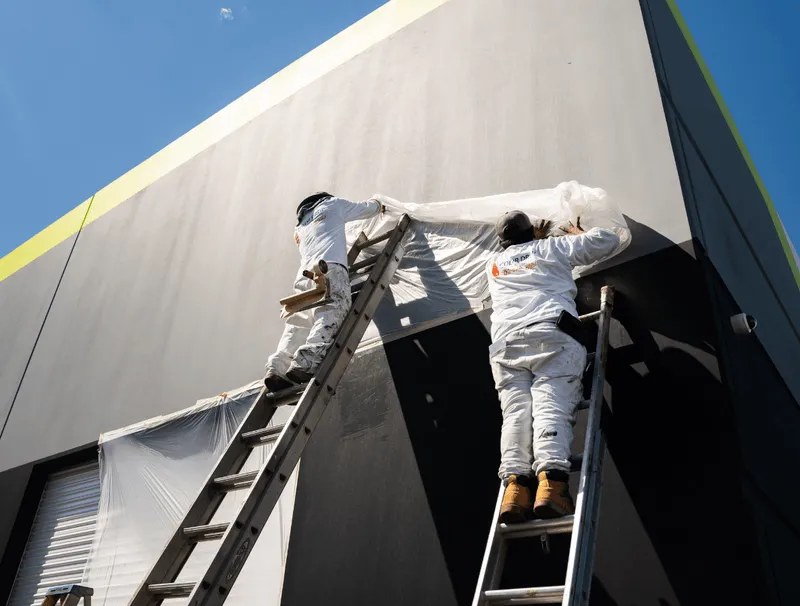
Cross X Agency built the website and the lead path behind it, set up the CRM the estimate requests land in, and produced the jobsite and crew photography the site runs on.
Las Vegas. Website, lead path, CRM, and photography.
Versatile Coatings Hawaii
Website, CRM backend and lead flow, and an initial local search foundation built by Cross X Agency. Early organic search clicks have begun to appear.
Hawaii. Website, CRM backend and lead flow, initial local search.
What it costs.
Setup is scoped to the work.
What it costs depends on how many lead sources, pipelines, and automations we connect, and how much of your current setup stays. You get the scope and the number in writing before anything starts.
After launch there is a monthly amount for Cross X OS software and lite management of the installed system. If Cross X Agency also runs the wider marketing and growth work around it, that retainer is quoted for the business and is not required to keep the system running.
Before you buy.
Quote tile work with the whole picture.
Show us the inquiries you get now and where they land. We will map the real path before recommending an installation.