
Website design for tile contractors.
Tile buyers decide with their eyes and then ask about the part they cannot see. A useful tile site shows the applications you take, groups the work so a visitor recognizes their own project, and makes the estimate request the easiest thing on the page.
A photo gallery gets you considered. The request path gets you called.
Most tile inquiries start on a phone, often while someone is standing in the room they want changed. The request has to be finishable there, and specific enough that you can price the visit before you drive to it.
What it asks
The application and the area, context on the existing surface or substrate, whether material is already chosen or still open, photos as an option, the location, and the timeline.
What it does not ask
Budget brackets nobody has settled, exact measurements, or a long qualifying questionnaire. Anything you can ask on the call does not belong in the form.
Where it goes
Into a pipeline stage with a named owner, with the application attached so routing happens without a person sorting it, and a mobile call route beside it for the people who would rather talk. Tracking is verified before launch.
What the pages have to separate.
These are the splits that usually matter for a tile business. The real list comes from the work you take today, and pages are only built for applications you genuinely offer.
Application, not one tile page
Showers, backsplashes, floors, walls, and exterior work only where you take them. A curbless shower buyer and a backsplash buyer are not reading for the same thing.
Residential and commercial
Different approvals, schedules, and contacts. Splitting them matters when you actually sell both, and one of them can be left out when you do not.
Prep and waterproofing in your own words
The part a homeowner cannot see is the part that decides whether the job lasts. Published from your process, not from generic industry copy.
Gallery by project type
Grouped by application so a visitor recognizes their own room instead of scrolling a mixed grid and guessing whether you have done it.
Material handling stated plainly
Whether you supply, source, or install customer material changes the first conversation. Saying it on the page removes an awkward call.
Service area
Only the areas your crews reach, with jobs from those areas where you have them, so coverage can be confirmed in one glance.
How the build runs.
A short project with a few decisions that matter, ending with the site and the accounts in your name.
Scope
The applications and areas you want to sell, how you handle material, and the one action the site is built to produce.
Structure
Pages mapped to those applications, the gallery grouped the same way, and process language drafted from how your crews actually work.
Photography
Your project images organized against the pages, or a shoot produced by Cross X Agency where finished work has never been photographed properly.
Request path
The estimate request built and written, with the mobile call route beside it at every scroll depth.
Handoff and tracking
Submissions routed into a pipeline stage with an owner, tested with real submissions on a phone, and conversion tracking verified before launch.
Launch and ownership
Redirects mapped from the old pages, domain and hosting and accounts in the business name, and documentation for editing and form routing at handoff.
Adjacent home service work.
Cross X Agency has not built a tile site yet. The work below is for other trades with the same buyer path: a visitor comparing contractors, a visit to schedule, and follow-up that has to happen. Scope is stated exactly as delivered.
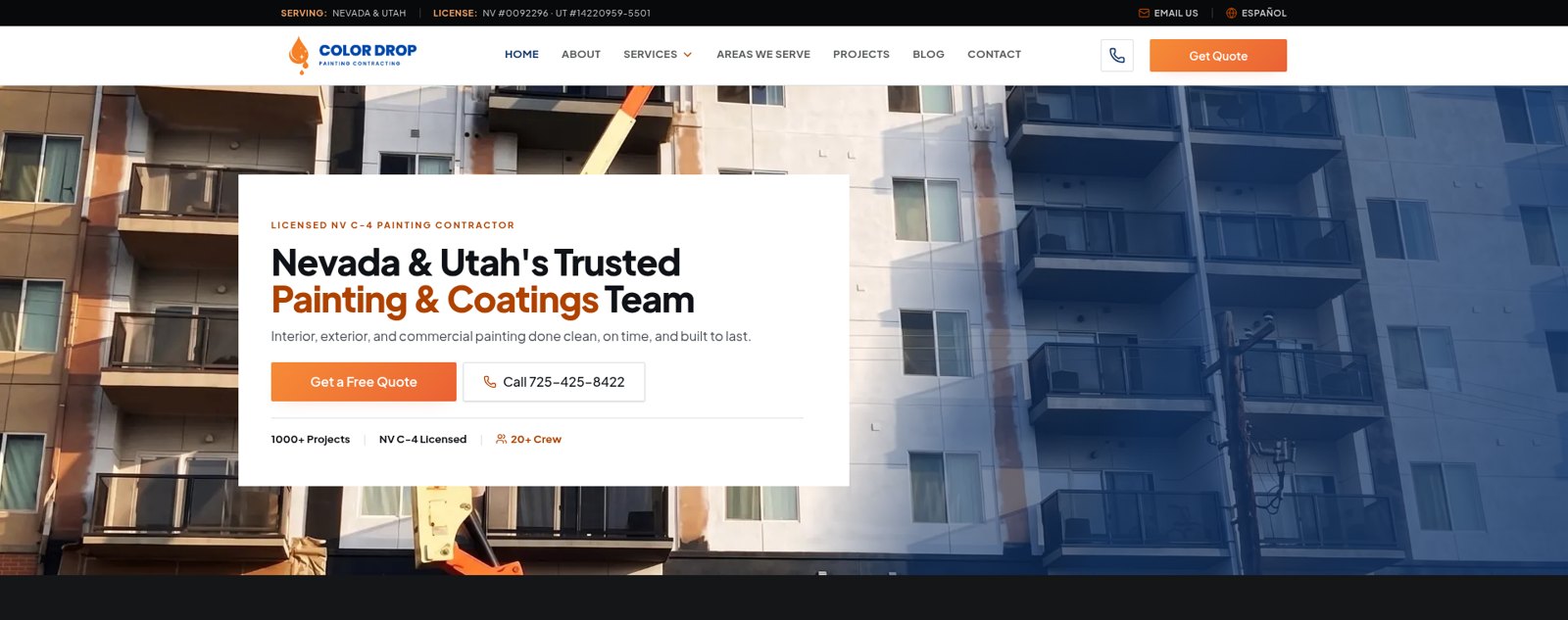
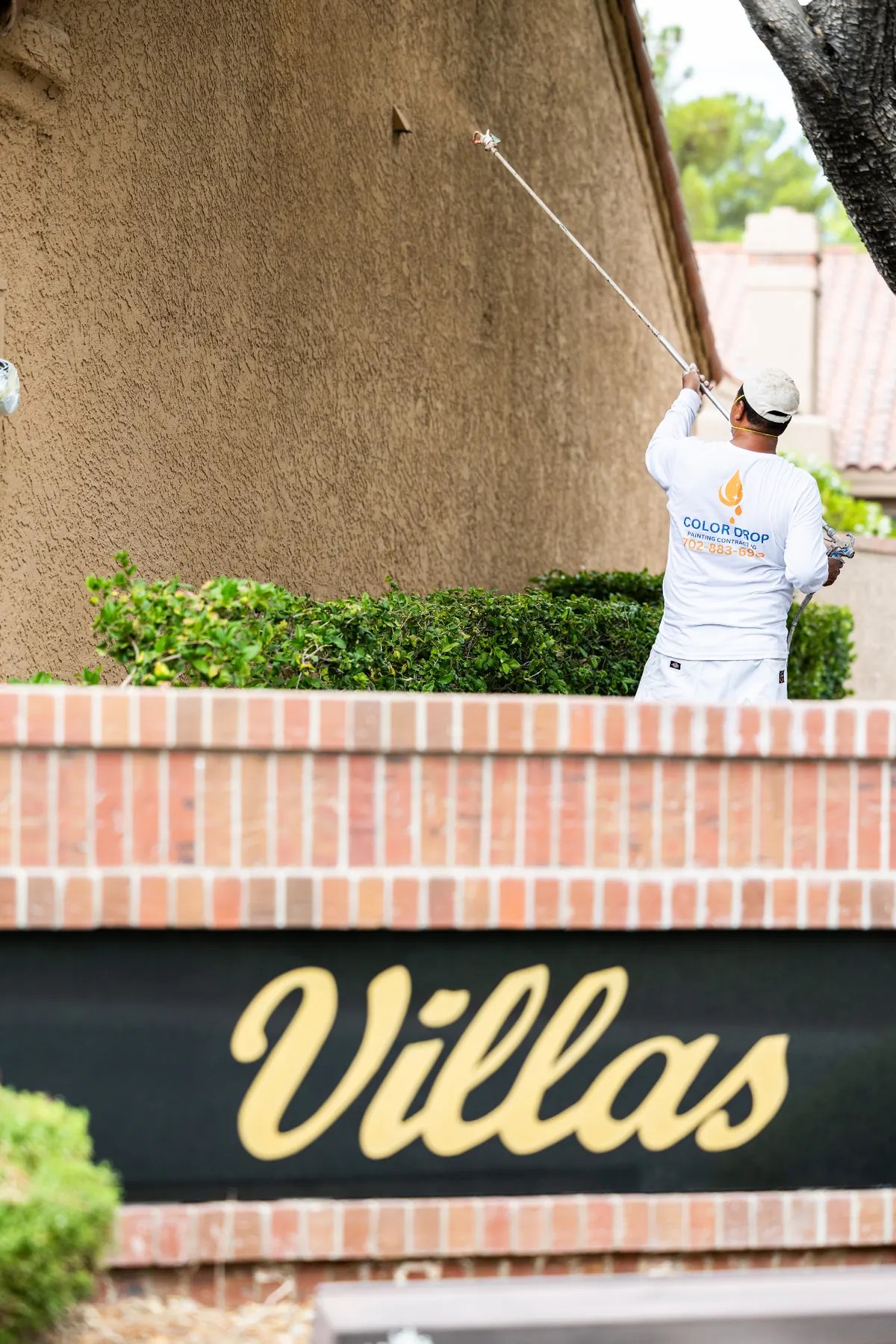
Color Drop Painting
Website and the lead path behind it, with the photography on the site produced by Cross X Agency. Estimate requests land in one place with an owner.
Website, CRM and lead path, photography.
Versatile Coatings Hawaii
Website, CRM backend and lead flow, and the initial local search work. Early organic search clicks have begun to appear since launch.
Website, CRM backend and lead flow, initial local search.
Rocket Air Conditioning
Website and CRM backend built by Cross X Agency, with video as a smaller supporting part of the scope.
Website, CRM backend, supporting video.
What tile contractors ask first.
Do we need a page for every application?
Only for the ones you want more of. Showers, backsplashes, floors, walls, and exterior work raise different questions and attract different searches. Applications you rarely take can live inside a related page rather than getting a thin one of their own.
How much process detail should the site explain?
Enough that a buyer understands why a real tile job costs what it does, written from your process rather than a generic description. Prep, substrate, and waterproofing language is only published once you have confirmed how your crews actually work.
Can you keep our current site and just fix the estimate request?
Often yes. If the pages hold up and the platform is editable, rebuilding the request path, the mobile call route, and where submissions land is faster than a full rebuild. We tell you which one is worth doing after reviewing what you have.
What do you need from us to build it?
The applications and areas you cover, project photos or access to shoot them, how you handle prep and materials, your licensing details, and someone who can answer scope questions. Photography can be produced by Cross X Agency where usable images do not exist yet.
Tell us which tile work you want more of.
Showers, floors, backsplashes, commercial work. What you actually want to sell decides the pages, how the gallery is grouped, and what the estimate request has to ask before it reaches you.