Ads that leadsomewhere.
Google and Meta management connected to the creative, the page, the inquiry, and the follow-up. Google captures demand that already exists. Meta creates it before the search. Both should lead into a path your team can work.
Creative to inquiry.
Color Drop Painting is one real example of the pieces Cross X Agency can connect. We produced the jobsite creative and built the native website where an interested buyer can understand the service and request an estimate.
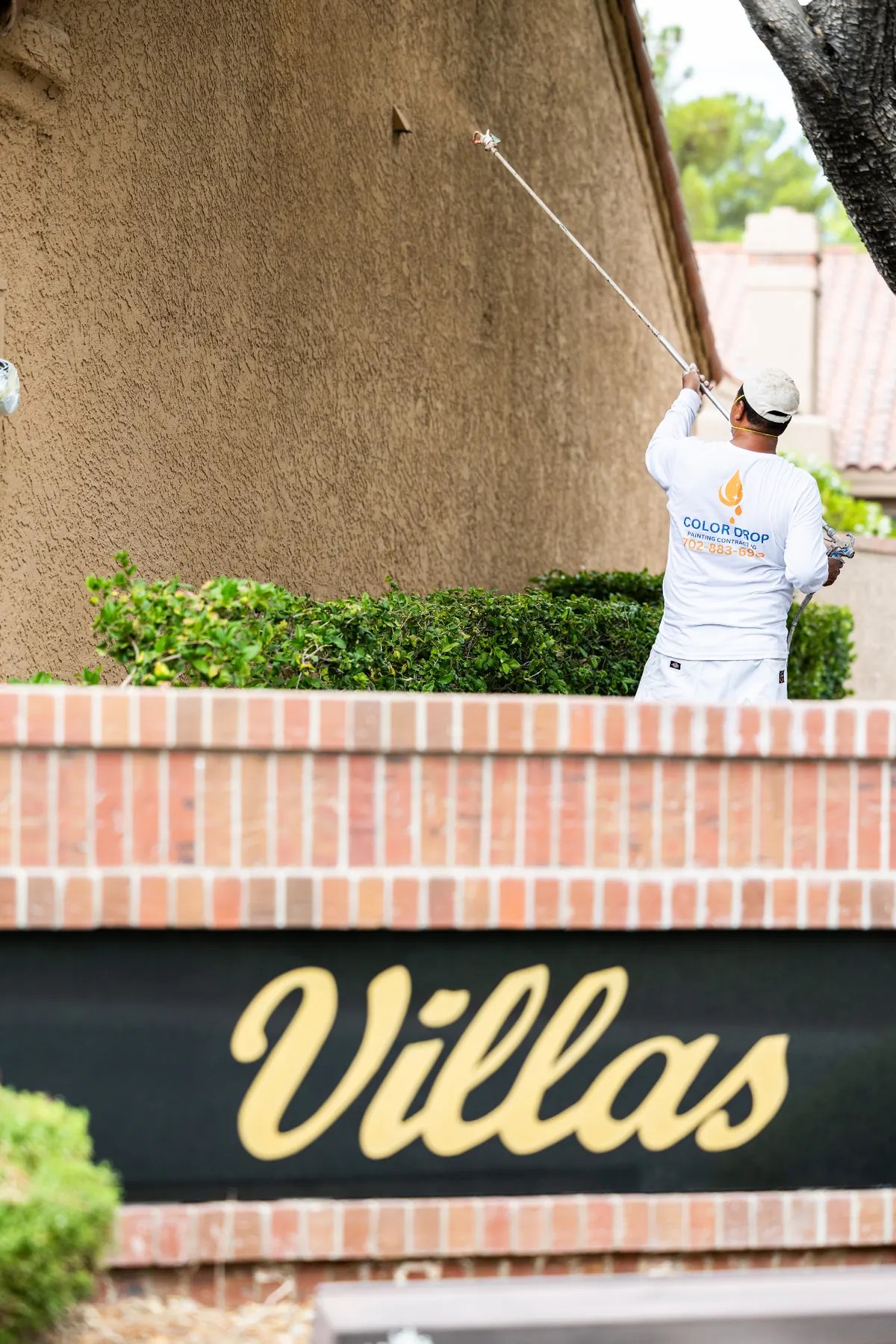
Creative: real work on the jobsite
Destination: the native Color Drop Painting website
Inquiry
The estimate path captures the request on the business website rather than sending the click to a disconnected page.
Follow-up
The lead can be routed to an owner and tracked through the response and estimate process instead of disappearing into an inbox.
Two channels, two jobs.
Which channel starts, and how the budget splits, is decided with the offer and the economics. It changes when lead quality shows that one channel deserves more.
Google. Capture existing demand.
People are already searching. Campaign structure, search term review, and location settings keep the budget focused on the service and market that matter.
Meta. Create demand before the search.
Facebook and Instagram put the offer in front of people first, so real creative and offer testing are the working parts of the account.
What management actually is.
- Channel and budget recommendation, then account build or audit
- Campaign structure across Google and Meta, set by service and intent
- Search terms, audiences, and placements reviewed every week
- New creative shipped on a cadence, tired creative retired
- Conversion tracking for calls, forms, and bookings verified, not assumed
- Reporting read against lead quality and closed work, not clicks
Ad spend is not included. You pay Google and Meta directly on your own billing method, and the ad accounts, pixels, conversion setups, and audiences are built in your business's ownership. Cross X Agency management is scoped separately from platform spend.
The rhythm of a managed month.
Paid media is an ongoing management retainer, not a setup fee. This is the cadence the account runs on once it is live. Your scope and budget are confirmed in the proposal.
Every week.
Search terms scrubbed and negatives added, audiences and placements tuned, budgets shifted toward what is producing usable inquiries, and any broken tracking caught early.
Every month.
New creative shipped and tired creative retired, landing page and offer friction reviewed, then a plain read on inquiry volume and quality rather than clicks.
Every quarter.
Account structure, channel split, and the offer itself revisited together, so the plan for the next quarter is decided on what actually happened in the last one.
Flat management fee
Management is a flat monthly fee for the agreed scope. There is no percentage markup on your ad spend, so scaling the budget does not quietly raise our invoice.
You own the accounts
Ad accounts, pixels, conversion setups, and audiences live in your business's ownership from day one. If the engagement ends, all of it stays with you.
Connected to the follow-up
Paid traffic lands on a page that converts and routes into tracked forms and calls with automated follow-up, so budget is not spent on inquiries nobody answers.
Questions worth answering first.
Do I need both Google and Meta?
Not always. If people already search for what you sell, Google can carry most of the weight. If the offer is visual or new to the market, Meta reaches people search cannot. Which one starts is decided with your offer and economics, not by default.
Is ad spend included?
No. You pay Google and Meta directly on your own billing method. Cross X Agency management is a separate scope for the engagement and never comes out of the ad budget.
Who owns the accounts and the data?
You do. Ad accounts, pixels, conversion setups, and audiences are built in your business's ownership. If the engagement ends, all of it stays with you.
Know where the next paid dollar should go.
Show us the offer and what you are spending now. We will tell you which channel deserves it and what has to be fixed after the click.
Las Vegas, Nevada