
Photo and video shot for a purpose.
Cross X Agency plans, films, and edits work for Las Vegas businesses: brand films, product and service features, vertical social cuts, and photography. Every shoot starts from a shot list and ends with organized finished files.

Recent work.
A shop, an automotive build, and a gym brand. Different rooms, same approach: plan the shots that sell the thing, then film them properly.
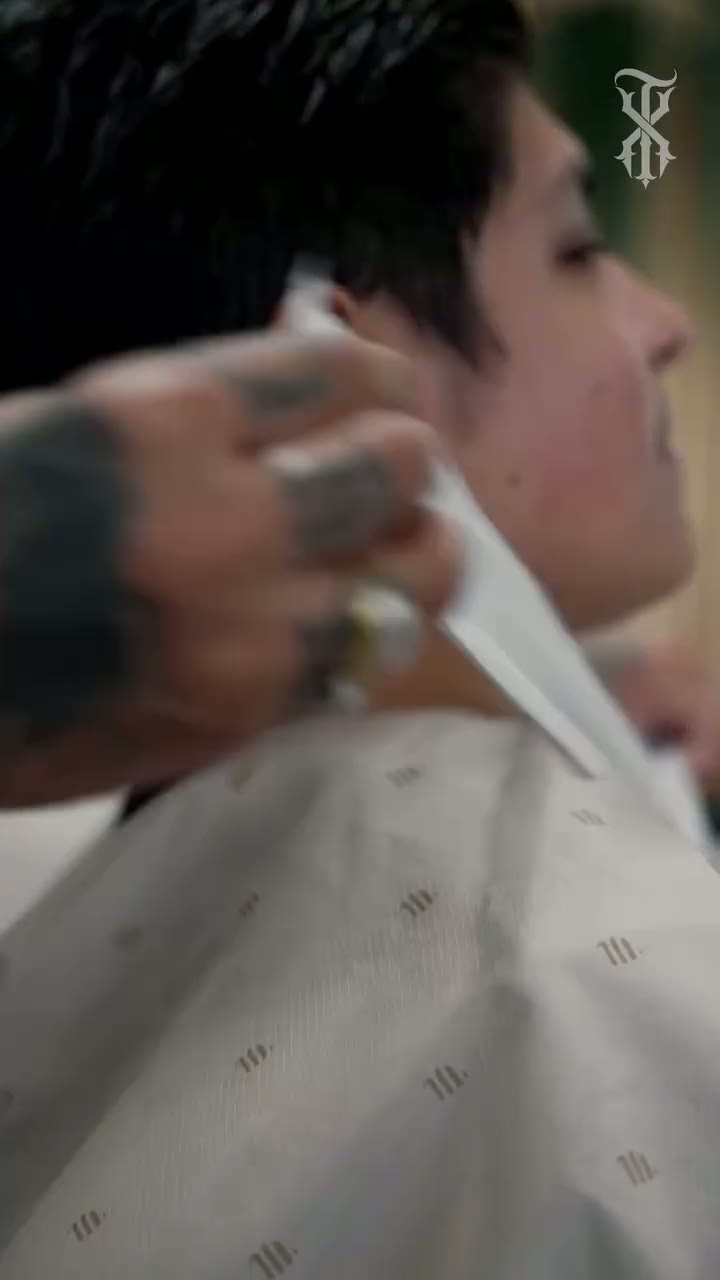
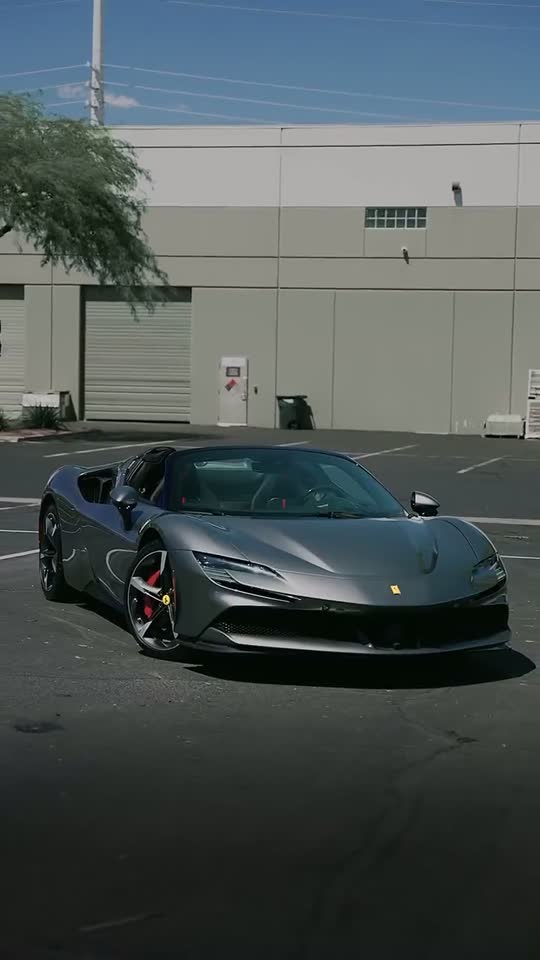
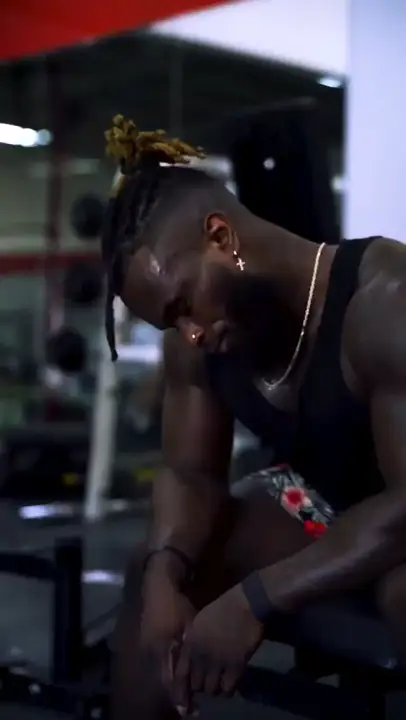
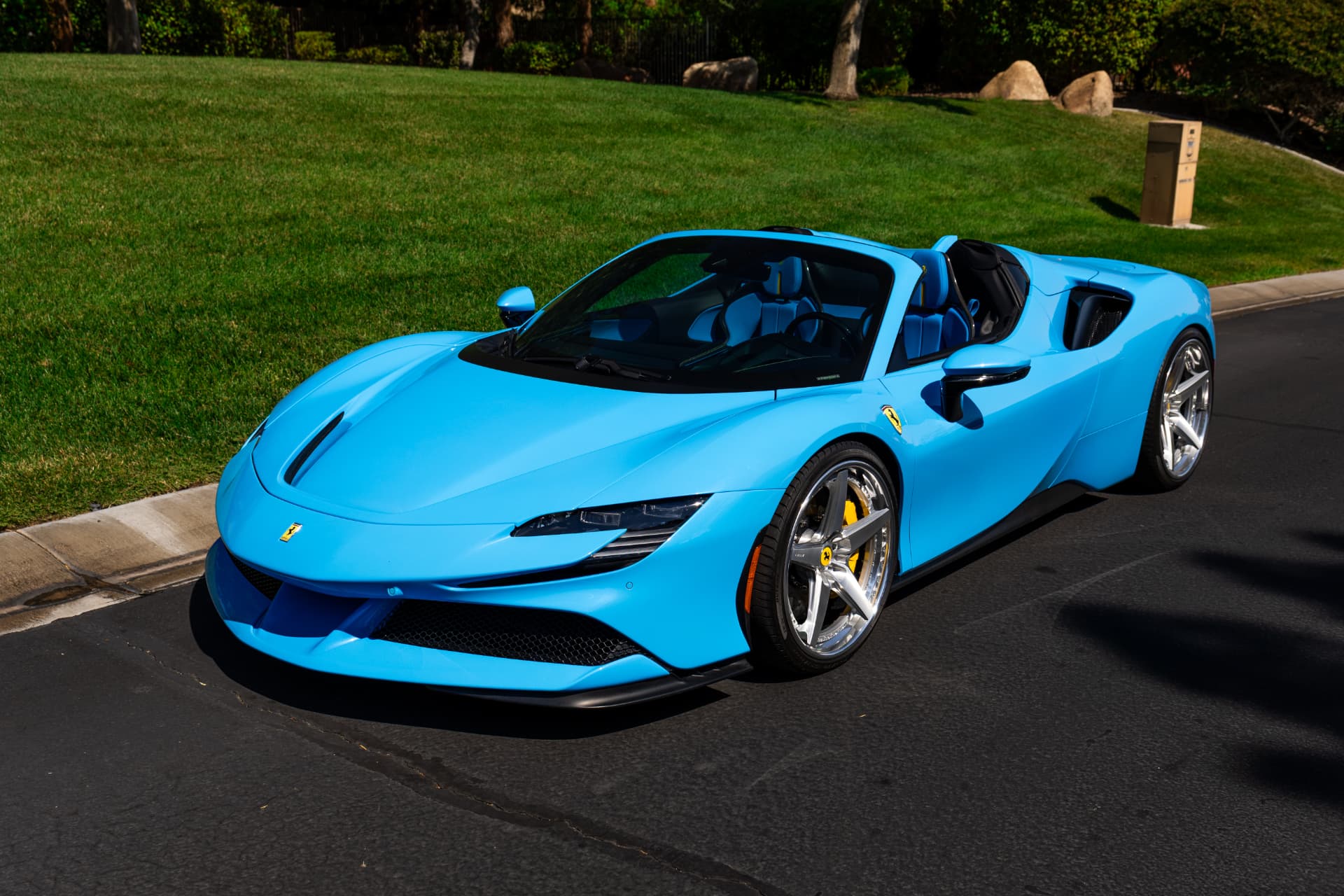
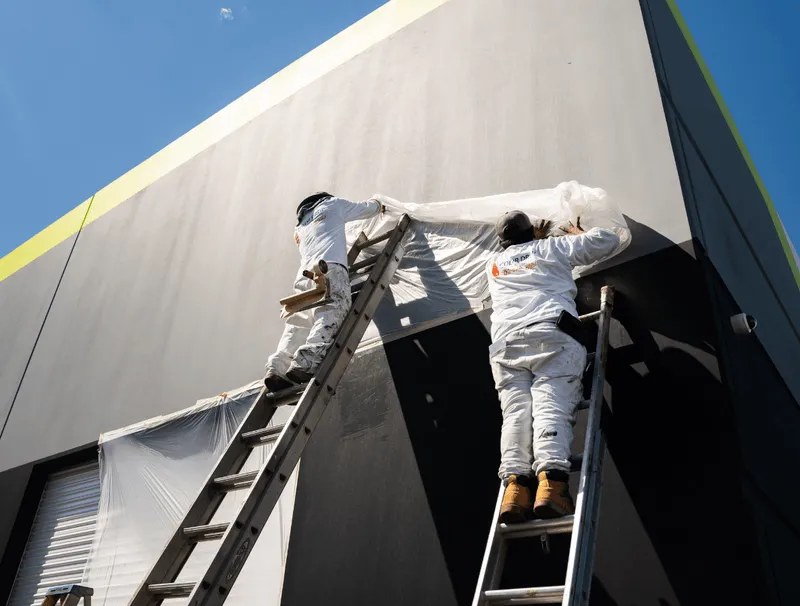
Plan, shoot, deliver.
Plan
Shot list, locations, subjects, and the reason each shot exists. Agreed before a crew is booked.
Shoot
Video and stills captured to that list, with the coverage the edit will need rather than whatever the day produced.
Deliver
Named outputs handed over in an organized folder: horizontal cuts, vertical cuts, and selected stills.
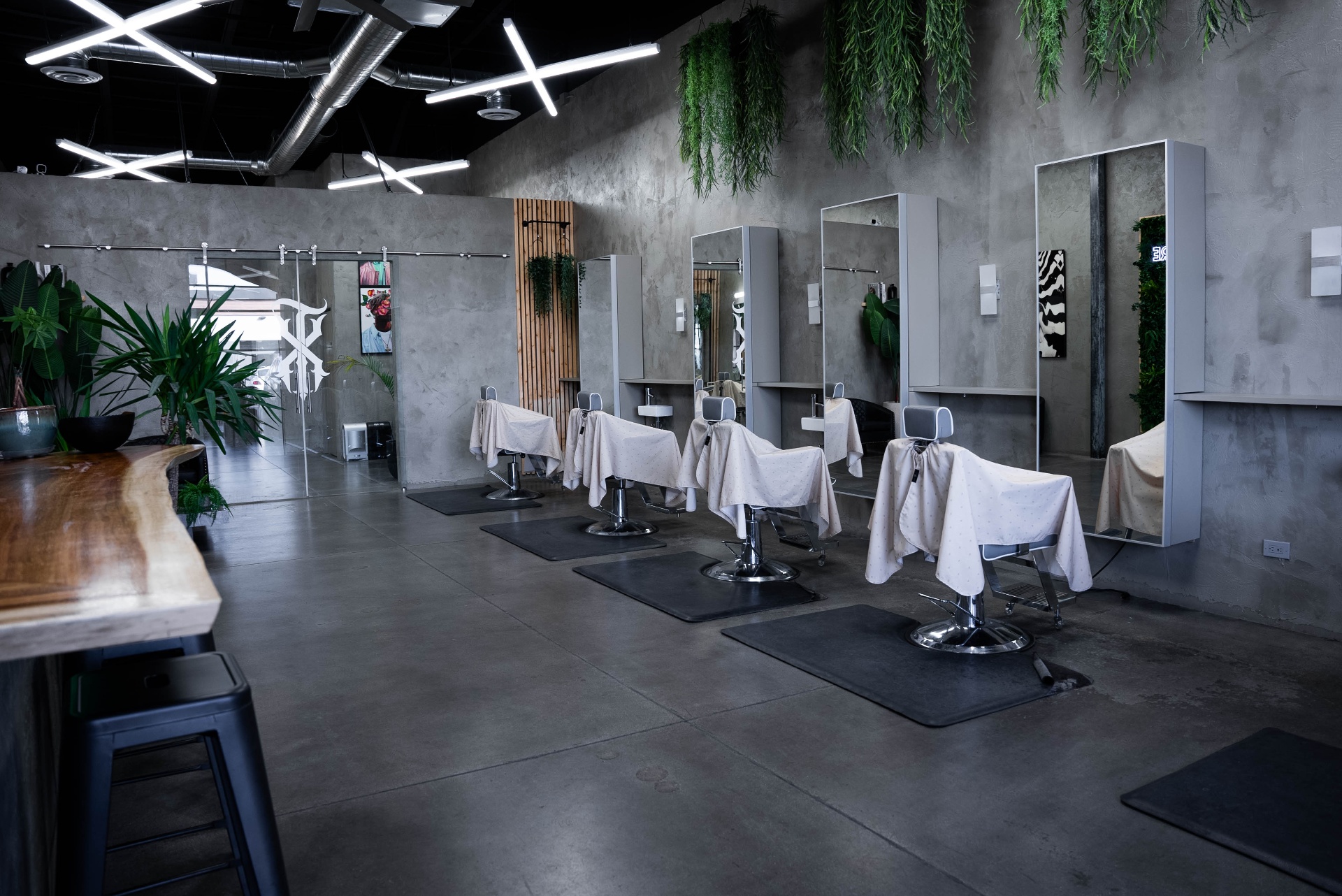
What gets handed over
- Brand film or hero video in the agreed length
- Vertical cuts for social feeds
- Product or service feature clips
- Selected edited photography
- Captioned versions where scoped
- Raw selects with the finals
Finals and raw selects are delivered in one organized folder, and the files belong to your business.
One shoot, or a scoped project.
The Content Drop is the packaged version: one shoot day, a library of finished social files, a set starting price. Custom production is the scoped version, built around a specific film, campaign, or photography need.
Worth asking first.
How many cuts and photos do we get?
The quantity and the formats are set in the approved scope, because a launch film and a month of social clips are different jobs. Whatever is agreed is what gets delivered and listed in the folder.
How is this different from the Content Drop?
The Content Drop is a packaged shoot that produces a library of finished social files. Custom production is scoped to a specific film, campaign, or photography need, with the shot list built around that goal.
Who owns the footage?
You do. Final files and raw selects are delivered to you and stay yours to use, keep, and hand to anyone else later.
Tell us what the footage has to do.
A launch, a new service, a room people have never seen. We will build the shot list around it and tell you what the day needs to include.