Give people areason to stop.
Meta creates demand before anyone searches. The offer and the creative do that work, so Cross X Agency runs Las Vegas Facebook and Instagram ads as a testing operation rather than a set of finished assets.
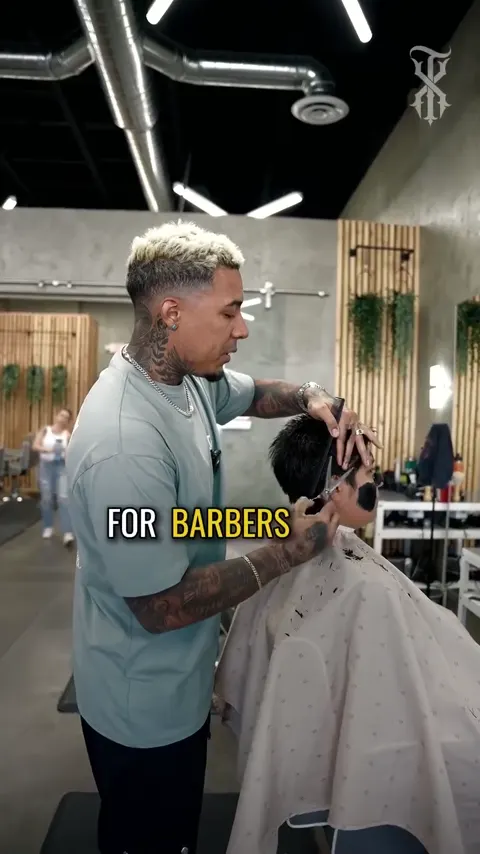

Vertical creative produced for paid feeds
Creative, offer, destination.
Meta reaches people before they are looking, so the account improves by producing and testing rather than by tightening a keyword list. Three things get decided together, and all three get changed when the account stalls.
The creative
Footage of the actual business, the crew, and the work, cut into different hooks, lengths, and formats so the account has something to test.
The offer and the audience
The creative carries the offer. Audiences stay broad for prospecting and tight for people who already engaged.
An instant form or a landing page is chosen per campaign, with the pixel and Conversions API recording what happened. Whether people answer, show up, and buy is the read that decides which creative earns more budget.
One shoot becomes many ads.
A single day inside a business produces the interior, the people, the detail, and the product moments. Those become different hooks, different lengths, and different offers, which is what lets Meta find the version that holds attention instead of guessing once.
Creative wears out, so the cadence matters more than the launch.


After the click.
Meta creates the demand. CRM and automation is the scoped work that connects what happens next, so a message, a form, or a booking lands somewhere it gets answered and recorded.
The response
An instant form or a landing page captures the lead the creative created.
Cross X OS
The installed software that holds the lead and starts follow-up in seconds.
Lead quality
What answered and booked decides which creative and offer earns more budget.
What gets managed every week.
Understand the economics
What the business can pay for a lead, and which offer is worth showing cold audiences.
Build the structure
Broad prospecting for reach, retargeting kept tight for people who already engaged.
Connect the destination
Pixel and Conversions API in place, then an instant form or a landing page on purpose.
Manage weekly
New creative shipped on a cadence, tired creative retired, budget follows what holds.
Feed outcomes back
Platform numbers read next to site and CRM data, never a single dashboard alone.
What Meta Ads management covers.
- Campaign and audience structure
- Creative variants cut from real footage
- Ongoing creative and offer testing cadence
- Broad prospecting plus tight retargeting
- Pixel and server-side Conversions API setup
- Instant form or landing page decision per campaign
You pay Meta directly for platform spend on your own ad account. The Business Manager, ad account, pixel, and audiences stay in your ownership, and footage produced for the account can be reused on the site, in email, and in organic social.
Questions worth answering first.
Instant forms or a landing page?
Instant forms fill faster because there is less friction, and the names are often less qualified. A landing page filters harder and usually produces a lead further along. The choice is made per campaign based on the offer and how follow-up is handled.
Why do Meta and Google numbers never match?
The two platforms attribute conversions differently and count them over different windows. Site and CRM data are used as the reference point, so a decision is never made on one dashboard alone.
Who pays Meta, and who owns the assets?
You pay Meta directly on your own ad account. The Business Manager, ad account, pixel, and audiences stay in your ownership, and Cross X Agency management is scoped separately from platform spend.
Give Meta something worth testing.
Tell us the offer and what footage exists. We will scope the creative and the account together.