
Websites built around the work your shop wants.
A shop site earns its keep when a driver can find the exact service they came for, see the work, and send a quote request that already contains the vehicle. That is the whole job, and most shop sites stop at a phone number.
A homepage does not sell a tint job.
When every service is stacked into one block of copy, no page can answer a specific search and no visitor can price the job they came for. The structure comes first.

One page per service the shop sells
Tint, paint protection film, wraps, detailing, and customization each get a page that reads as that service, with the vehicle types accepted, how the work is quoted, and what the finished result looks like.
The shop's own finished work
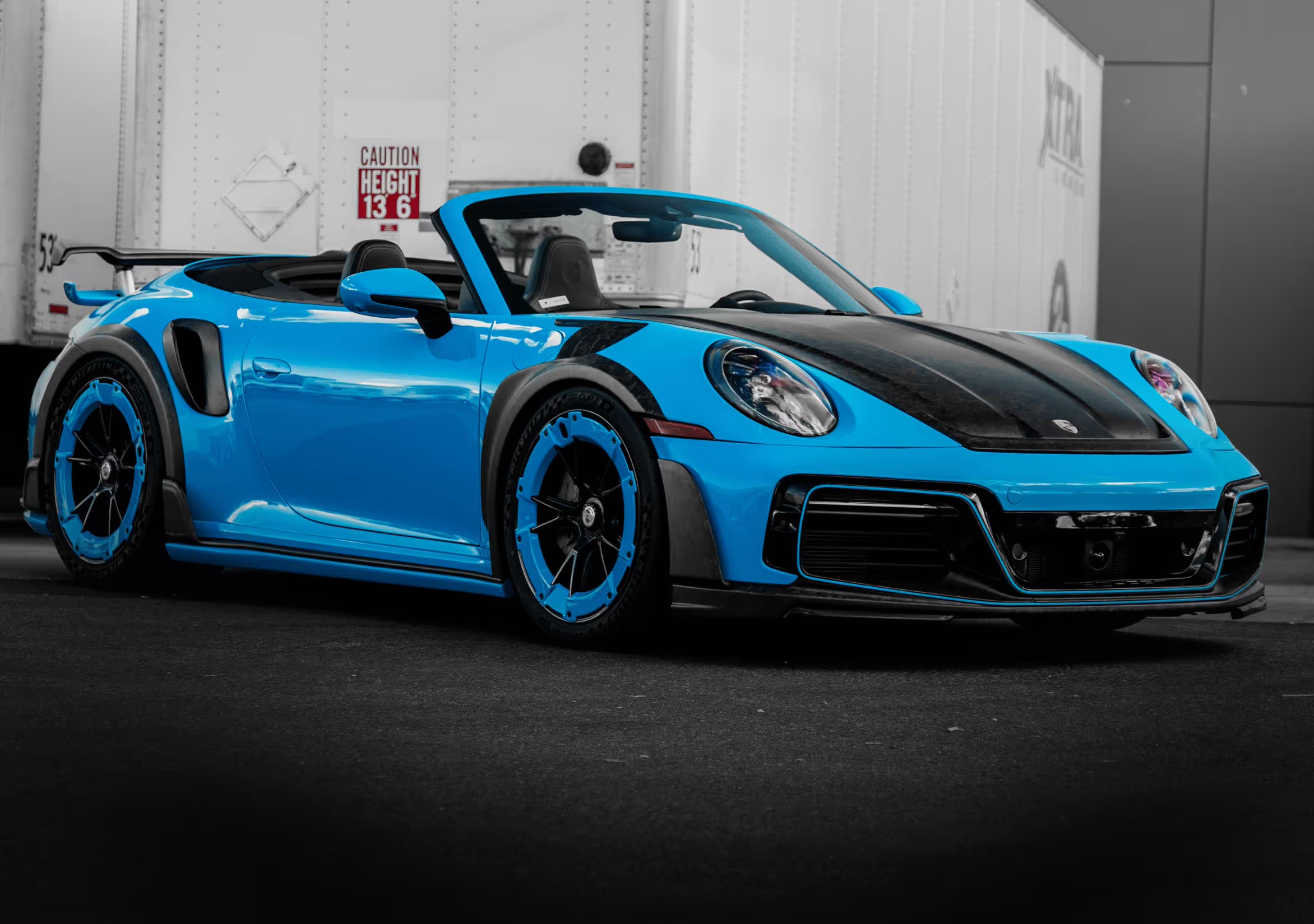
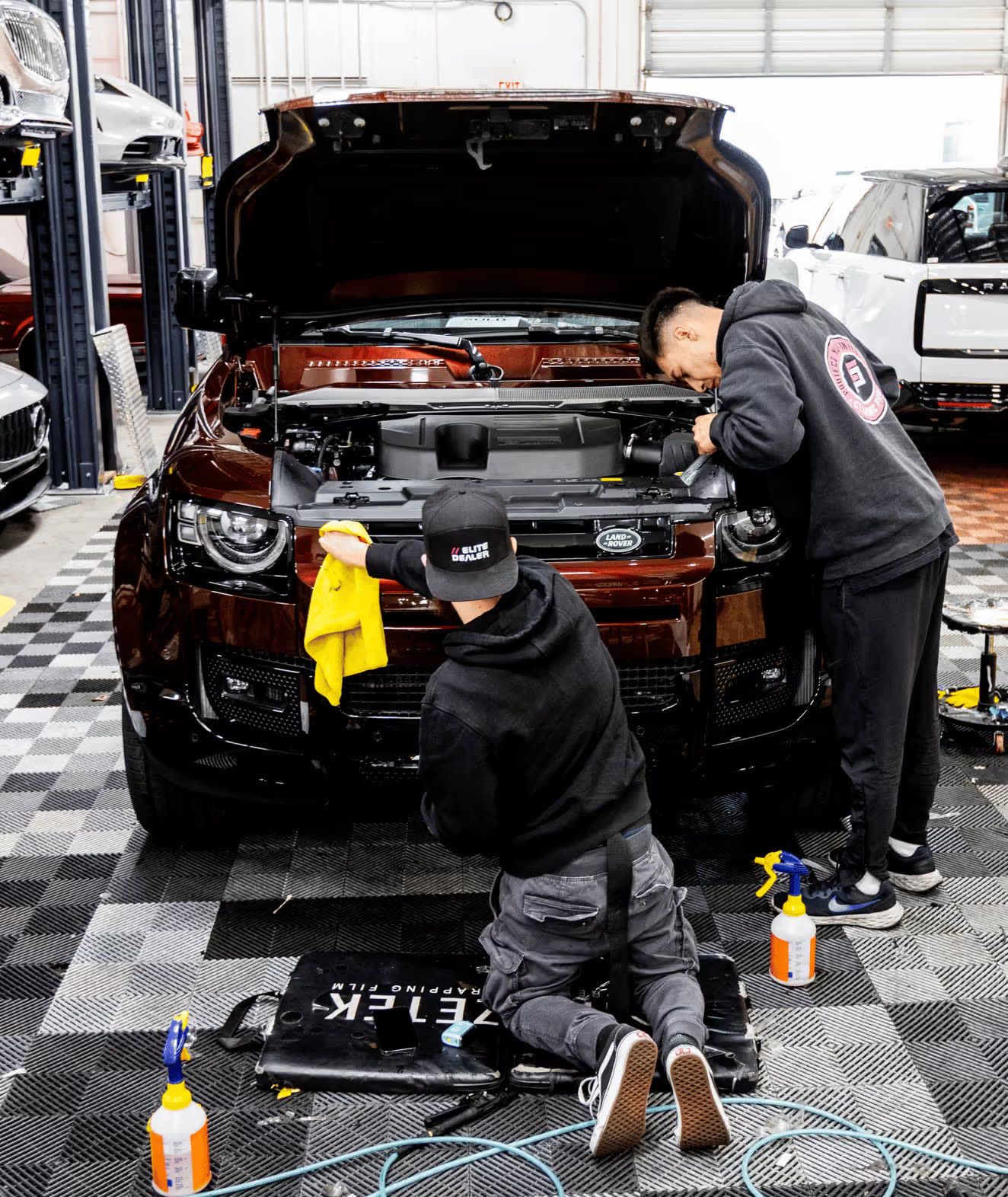
Real photography from the bay and the reveal. A driver comparing two shops is comparing evidence, and stock imagery removes the only thing that separates you from the next tab.
A quote path on every service page
The request sits with the service being read, not buried on a contact page, so the visitor never has to navigate away from the page that convinced them.
The quote request does the qualifying.
A name and a message field cannot produce a quote. The mobile form asks for what an advisor needs before the first callback, and it stays short enough that a driver standing next to the car will finish it.
Year, make, and model, so the advisor is not calling back for basics
The service being requested and the coverage or package in question
Timeline, so urgent jobs are visible in the pipeline
Phone number required, with photo upload where the service needs it
Submissions route into the shop's pipeline with the source attached and an alert to the advisor who answers. Where that pipeline does not exist yet, it is installed as lead capture and follow-up.
Shops already running this structure.


Lusso Auto Design
Website, content, and digital work for a Las Vegas customization shop. Service pages carry the shop's own builds, and the quote path asks for the vehicle before anyone picks up the phone.
Undercover Customz
Website and CRM installed together, so a request from the site lands in a pipeline with an owner instead of an inbox.
Launch without losing what works.
Existing URLs are mapped, redirects are written, and page titles, headings, and internal links are carried across on purpose. Tracking is connected before launch so the first week of inquiries is measurable.
The domain, hosting, analytics, content, and photography stay in the shop's name, and the setup is documented at handoff so your team can operate it. Search structure and local relevance continue as automotive SEO.
Built for your trade.
Related reading: auto shop website service-page structure.
Before you buy.
Can Cross X Agency work with our current website?
Often, yes. The current site, forms, and tracking are reviewed first. If the platform can carry real service pages and a usable quote path, it is restructured and connected rather than replaced. A rebuild is only recommended when the existing setup cannot do that, and it is agreed before work starts.
Do the quote requests reach our CRM?
Yes. Submissions are routed into the CRM or pipeline the shop uses, with the vehicle and service details attached and an alert to the person who answers. If there is no CRM in place yet, that layer is scoped as a lead capture and follow-up installation.
What happens to our current URLs and search rankings?
Existing URLs are mapped before launch, redirects are written for anything that moves, and titles, headings, and internal links are carried over deliberately. Migration is handled as part of the build rather than discovered afterward.
Who owns the site, domain, content, and photography?
The shop does. The domain, hosting, analytics, written content, and the photo and video files stay in the shop's name and are exportable at any time, with the setup documented at handoff.
Send us the site and the services you sell.
We will walk the current pages, the quote path, and where inquiries land today, then scope the structure the shop actually needs.