Before the show
Plan the decisions, not just the shots
Choose the launch, demo, audience, speakers, lead path, approvals, usage rights, and first deliverables before anyone arrives. The camera plan should follow the commercial plan.

Exhibitor field guide
Four days on a show floor do not create months of value by themselves. The value comes from deciding what to capture, where it will run, how leads move, and who owns the next action before the doors open.
The operating principle
A booth recap is not a strategy. Start with the person who needs the asset next: a sales representative following up, a buyer comparing products, a media contact covering the launch, or a prospect who never entered the building.
Then work backward into the shot, speaker, format, rights, deadline, landing page, and follow-up owner. That turns production from a record of the event into material the team can keep using.
The five windows
Before the show
Choose the launch, demo, audience, speakers, lead path, approvals, usage rights, and first deliverables before anyone arrives. The camera plan should follow the commercial plan.
Before doors open
Film the booth reveal, product detail, controlled demo, executive explanation, and horizontal and vertical master shots before traffic makes clean audio and framing difficult.
During the show
Return for real conversations, questions, reactions, creator appearances, partner moments, and the busiest floor window. Get permission before filming identifiable attendees or restricted material.
While the show is live
Move the approved announcement, demo, interview, or recap first. Fast delivery matters only when the claim, caption, rights, and next step are correct.
After the floor closes
Organize footage by product, speaker, format, and intended use. Give sales, marketing, recruiting, and event teams files they can find without asking an editor to rebuild the archive.
Three separate lanes
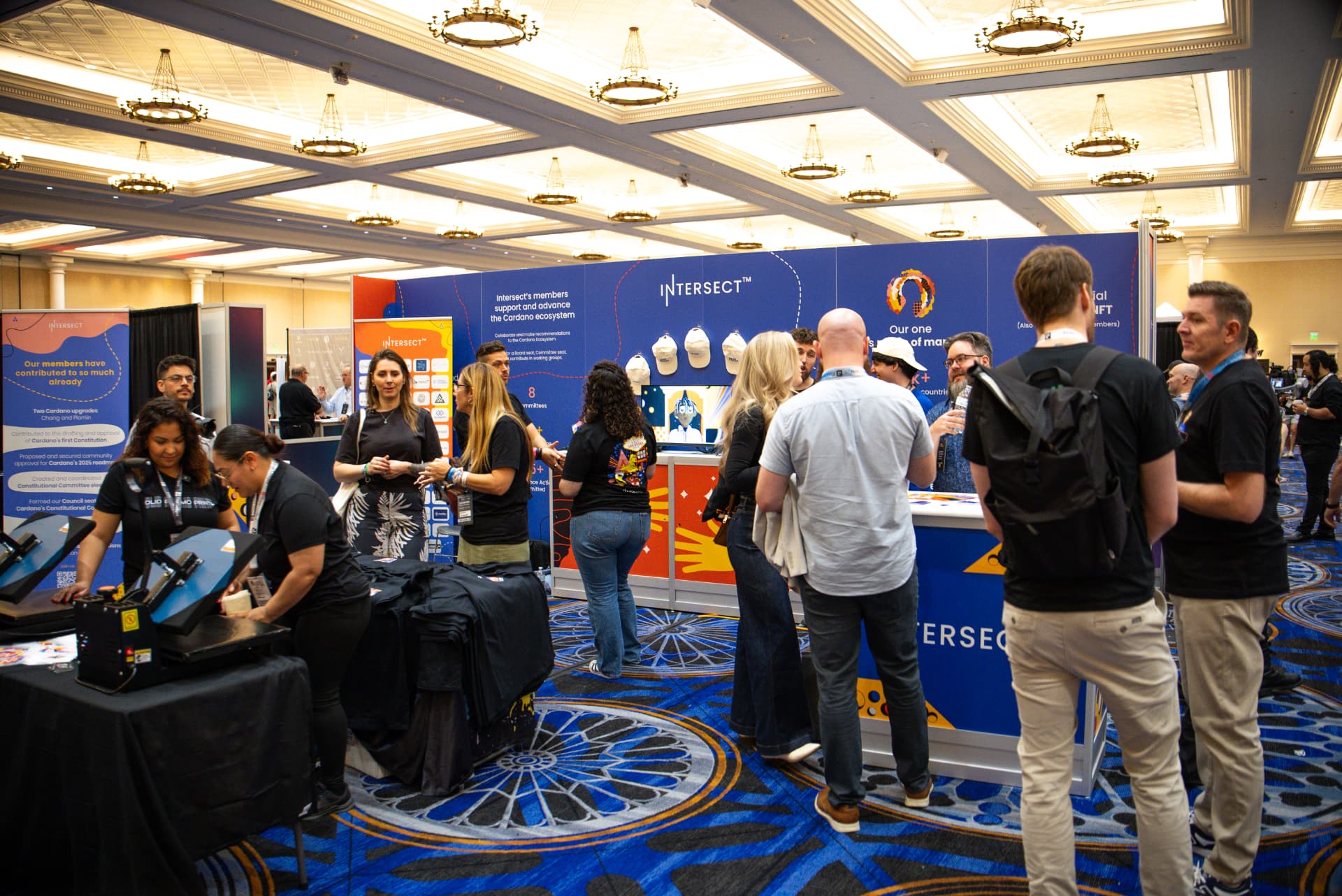
The crew captures the booth, product, people, interviews, demos, and atmosphere, then delivers the agreed photo and video assets.
A creator can host a walkthrough, interview a technical lead, demonstrate a product, or appear at the booth. Fit, credentials, schedule, approvals, and usage rights are scoped separately.
Organic posts, creator posts, email follow-up, sales enablement, and paid media are different channels. Decide which assets can run where before editing starts.
Minimum capture plan
Capture both vertical and horizontal versions when the intended channels need both. Confirm show, venue, exhibitor, and talent permissions before recording.
The asset handoff
| Asset | Primary use | What must travel with it |
|---|---|---|
| Product demo | Sales follow-up, landing page, product education | Product name, approved claim, speaker, CTA |
| Executive answer | Press, LinkedIn, email, sales enablement | Speaker title, topic, approval status |
| Creator cut | Creator post, brand post, paid social | Usage window, account, territory, paid rights |
| Booth recap | Show-week social, sponsor recap, next-show pitch | Event name, date, tags, music rights |
| Photo selects | PR, sales decks, web, recruiting | Caption, people pictured, release status |
Before approval
Official references
CES 2026 listed four exhibit days, January 6 to 9, with Media Days before the exhibits opened.
Read the official sourceAAPEX identifies its November 3 to 5, 2026 event as an automotive aftermarket business-to-business show.
Read the official sourcePRI identifies its December 10 to 12, 2026 event as trade-only for qualified motorsports professionals.
Read the official sourceShow-specific planning
AAPEX and PRI have different audiences, products, access, and travel requirements. Start with the show page, then scope production, creator participation, distribution, and follow-up around the actual launch.
Build the real plan