
Conventions and events · Search
SEO for conventions and event websites.
The search demand around an event is specific and seasonal. People look for the dates, the registration or ticket page, the schedule, who is speaking, who is exhibiting, where the venue is and how to get there, and whether anything changed this week. When those pages are stale, thin, or missing, the demand still exists and it lands somewhere else: an aggregator, a forum thread, or last year's edition of your own site.
- Reviews
- Crawl, indexation, technical health, and mobile behavior
- Repairs
- Core pages for dates, registration, agenda, speakers, venue, exhibitors
- Schema
- Accurate Event markup for your real event only
- Cadence
- Update ownership before, during, and after the show

What the work actually covers.
Event search is a maintenance problem more than a content problem. The pages usually exist. They are just out of date, hard to reach, or describing an edition that already happened.
Crawl, indexation, and mobile review
What search can reach, what it has stored, what redirects to nowhere, and how the site behaves on a phone. Old editions that still outrank the current one are a common and fixable cause of lost registration traffic.
Event information architecture
Dates, registration, agenda, speakers, venue and travel, and exhibitor information organized so each page has one job and links to the next question a visitor will ask.
Current content on the pages that matter
The core pages are rewritten to answer what people actually search: when it runs, how to register, what the schedule is, who is speaking, where it is, and what exhibitors and sponsors need to know.
Accurate Event schema
Structured data for your real event with the dates and location you have confirmed. No speculative editions, no markup for events you do not run.
An update cadence around the show
A defined rhythm for the run up, the days of the event, and the weeks after, with a named owner for each update so the site does not freeze the moment the team gets busy.
Measurement of the registration path
Visibility on the event queries you care about, plus tracking of the registration and interest actions your platform exposes, so the reporting connects to sign ups rather than stopping at traffic.
Recap and archive strategy
What to keep, what to archive, and what to redirect after the event, so this year's coverage keeps working instead of competing with next year's page.
How the work runs.
The first month is diagnosis and repair on pages that already exist. The ongoing part is cadence, because an event site is only correct for as long as somebody keeps it correct.
First
Audit what search finds
We look at what is indexed, what is stale, what is duplicated across past editions, and what a person actually sees when they search your event today.
Then
Map the questions
Attendee, exhibitor, and press questions are listed and matched to a page, which usually shows that two pages are missing and four are saying the same thing.
Then
Repair pages and schema
Core event pages are corrected and rewritten, internal links are fixed, and Event schema is applied with verified dates and location.
Then
Set the update cadence
Who updates what and when, across the run up, the event days, and the weeks after, written down so it survives a busy month.
Last
Measure and report
Visibility on event queries and the registration or interest actions the platform exposes, reported on your planning rhythm rather than a generic monthly template.
What we will not promise.
No rankings guarantees. Search results depend on the event, the market, the platforms competing for the same query, and factors nobody controls. What we commit to is the technical health, the accuracy of the pages, the schema, and the cadence.
No keyword blocks, no city lists pasted into a footer, and no invented metrics. If a claim cannot be traced to your analytics or search console, it does not go in a report.
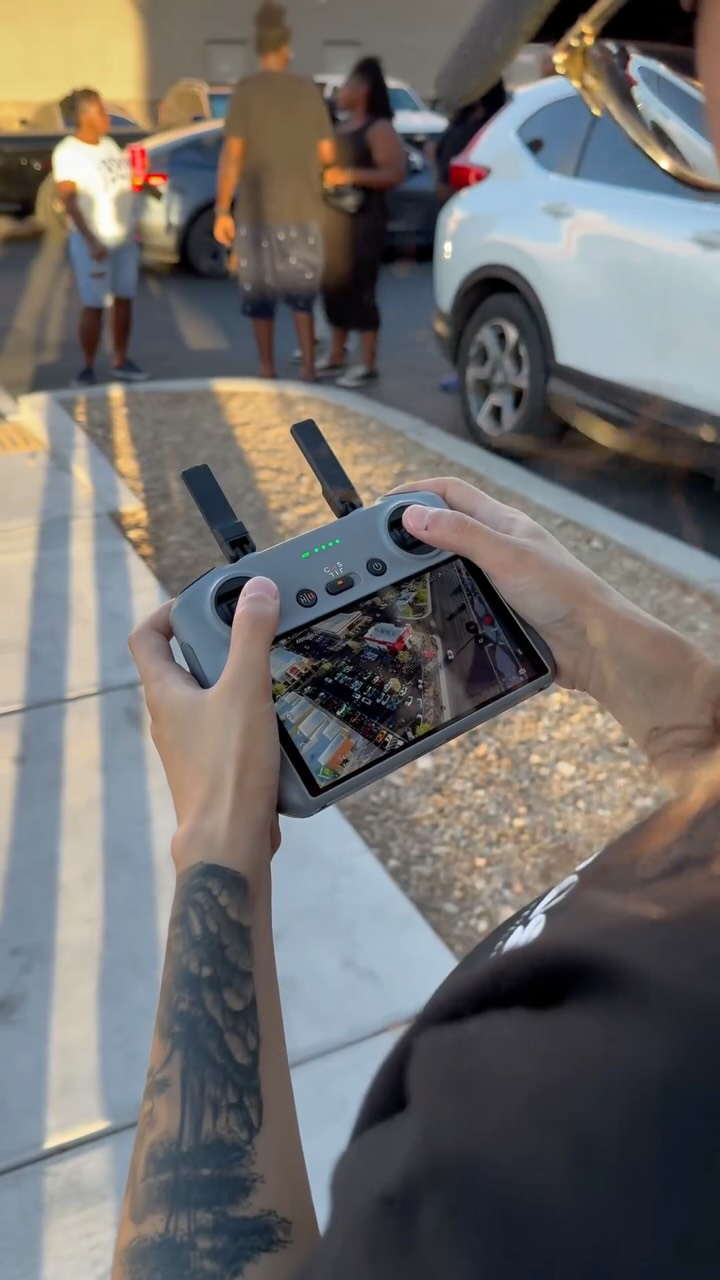
The convention photography on this page is Cross X Agency production work in Las Vegas, used as context. It is not a search case study, and we do not claim past results from an event we have not worked on.
Before you start.
Can you guarantee we rank first for our event name?
No, and anyone who does is guessing. Most events can be made the clearest and most current answer for their own name and dates, which is usually what closes the gap, but the position itself is not something we or anyone else can promise.
Our site still shows last year's edition in search. Can that be fixed?
Usually yes. Duplicated or unarchived past editions competing with the current page is one of the most common problems we find, and it is handled with structure, redirects, and an archive plan rather than new content.
Do you add Event schema for us?
Yes, for your real event, using dates and location you have confirmed. We do not add markup for speculative editions or for events you do not run.
What does reporting actually show?
Visibility on the event queries that matter, the health of the core pages, and the registration or interest actions your platform exposes to analytics. Where the platform hides those steps, we say so instead of estimating.
Send the event site and the next date.
With the URL, the edition you are selling now, and the registration platform behind it, we come back with what search currently finds and the shortest route to fixing it.