
Conventions and events · Website design
Convention and event website design.
Attendees, exhibitors, speakers, sponsors, and press all arrive at the same website looking for different things. One wants dates and registration, one wants booth and load in details, one wants their session confirmed, one wants their logo and story handled properly, one wants facts they can publish. The build keeps those paths clear before the event, during it while details change, and after it when the recap becomes the argument for the next edition.
- Plans
- Schedule, speakers, sponsors and exhibitors, venue and travel, registration, updates, recap
- Registration
- Connection or link out to your approved platform, scoped in writing
- After launch
- Update workflow your team runs, plus recap and archive where scoped
- Ownership
- Approved accounts, content, and site access stay with you
What the build actually covers.
An event site fails in predictable ways: the agenda goes stale, exhibitors cannot find load in details, and the registration link is three scrolls down on a phone. The scope is built around those failures.
A page plan for every audience
Schedule and agenda, speakers, sponsors and exhibitors, venue and travel, registration, updates, and the recap or archive. Each one exists because a specific group needs it, not because a template had a slot for it.
Registration connected, not owned
The site connects to or links out to the registration platform you already use and approve. Cross X Agency does not supply, own, or operate ticketing, and the platform and the depth of the connection are confirmed during scope.
An update workflow that holds
Dates, agenda items, and speaker details change weekly in the run up. Your team gets a defined way to make those edits without a developer, so the site does not drift from the emails you are sending.
Mobile behavior and measurement
Most of this traffic is on a phone, often inside the venue. Layout, tap targets, and load are built for that, and the important registration and interest steps are tracked so you can see where people stop.
Recap, archive, and the next edition
Where scoped, the site keeps the past edition as an archive of sessions, speakers, and recap content, with a simple way for interested people to hear about the next one.
Handoff you can act on
Approved accounts, content, and site access stay with you, with documentation of what was connected and who operates what after launch.
How the build runs.
The order matters. Information first, then the paths through it, then the connections, then testing against how the site is really used, which is on a phone with poor signal in a convention hall.
First
Plan the information
We list what each audience needs and where it lives, then decide which pages exist and which ones you were only keeping out of habit.
Then
Design the attendee paths
Layouts are built around the actions that matter: find the date, register, check the agenda, find the hall, contact the team.
Then
Connect registration and measurement
The approved registration platform is connected or linked, and analytics is set on the registration and interest steps the platform exposes.
Then
Test updates and mobile
Your team makes a real agenda change before launch, and the site is checked on phones at the sizes your audience actually uses.
Last
Launch and hand off
The site goes live, accounts and access are documented under your ownership, and the update and recap responsibilities are written down.
What we are not claiming.
Cross X Agency builds and runs websites for real clients across home services, automotive, hospitality, and personal care, including Color Drop Painting, Cin-Cin Brewhouse, Temple Head Spa, and Versatile Coatings Hawaii. Those are website builds, not convention builds, and we are not going to dress them up as event platforms.
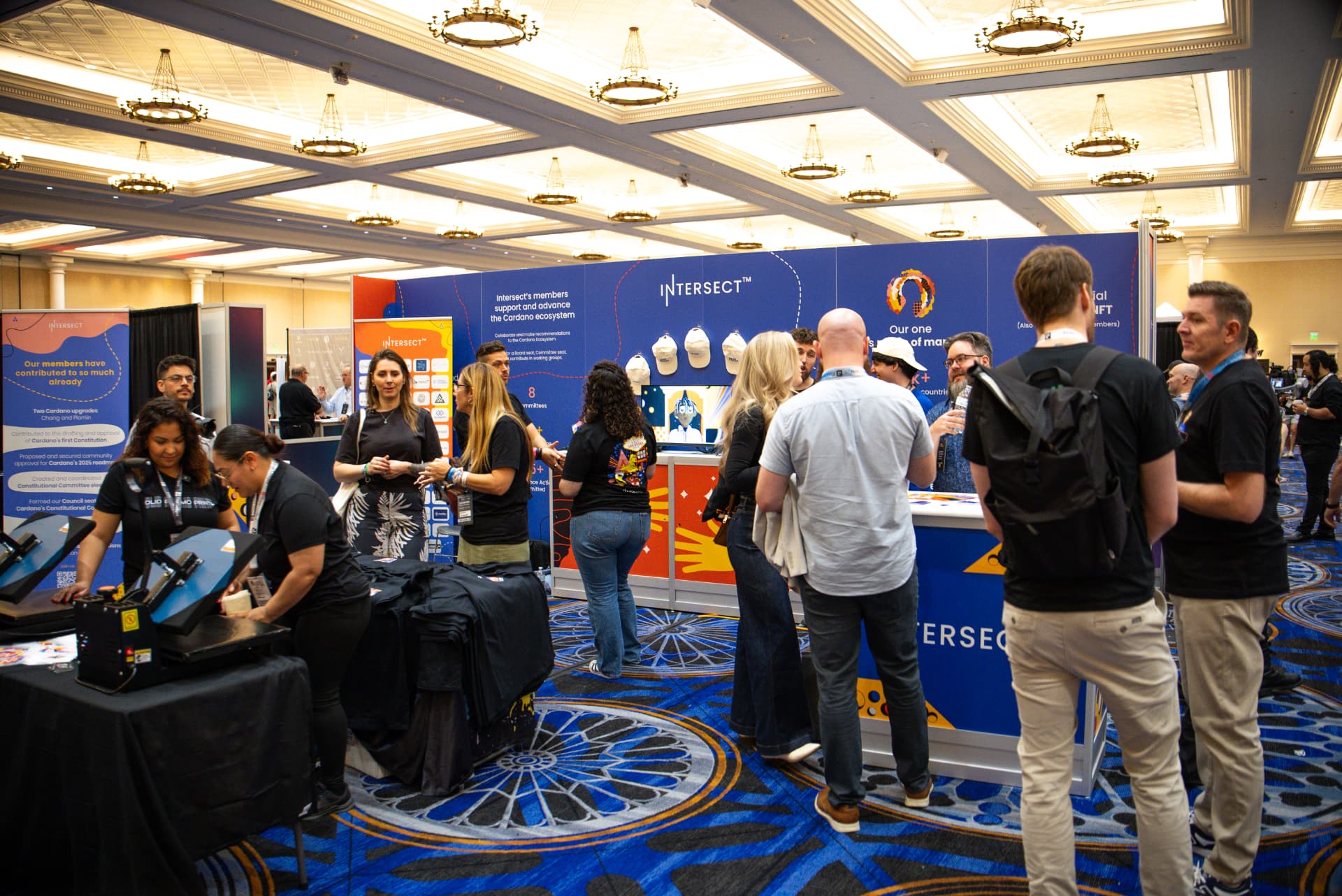
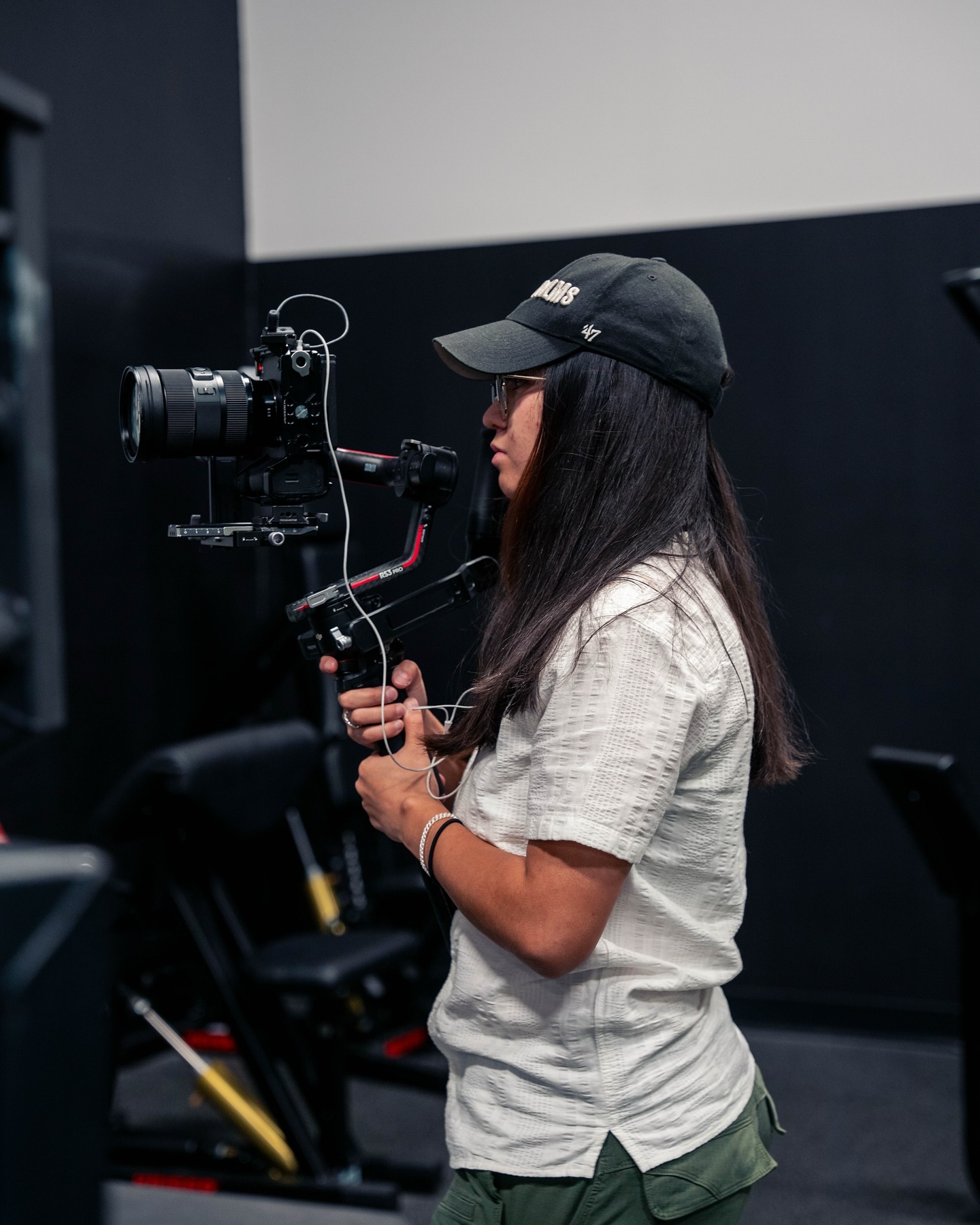
The convention and event photography on this page is our own on site production work in Las Vegas. It is context for the environment this kind of site serves, not proof of a past event website.
If you want to see relevant website work, ask and we will send the real builds with the actual scope attached, including what we did and what the client already had.
Before you start.
Do you handle ticketing and registration?
No. The site connects to or links out to a registration platform you already approve and control. Which platform, and how deep the connection goes, is confirmed during scope. Cross X Agency does not supply or operate ticketing.
Who updates the agenda when it changes?
Your team, using a workflow we set up and test with you before launch. Agendas change too often for a developer to sit in the middle of every edit, so the handoff is part of the build rather than an afterthought.
Have you built a convention website before?
We build and run client websites regularly, and we produce content on convention floors in Las Vegas, but we are not going to present a general website build as a convention case study. We will show you the real work and let you judge the fit.
Do we own the site and the accounts?
Yes. Approved accounts, content, and site access remain yours, documented at handoff along with who operates what afterward.
Tell us the event and the date it opens.
With the event, the audiences you have to serve, and the registration platform you already use, we come back with a page plan and a scope you can read in one sitting.